
 Ground-source heat pump
 Air-source heat pump
 Accessories
 What is a heat pump

 Air stoves
 Pellet boilers
 Ducted air stoves
 Hydro stoves
 Accessories
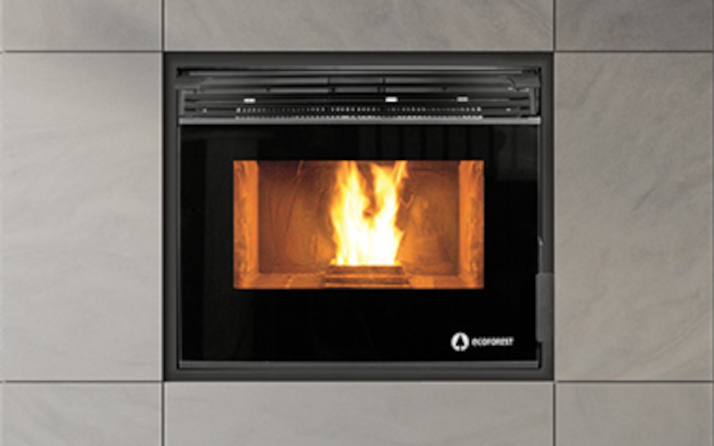 Insert pellet stoves
 Wood stoves
  Wood boilers
 Insert wood stoves
 Charcoal oven





The integration of geothermal and photovoltaic energy is one of the most powerful trends in home climate control and sustainability for 2025. This combination allows for efficient, renewable climate control, cooling and domestic hot water production with unprecedented energy savings. Discover why combining these technologies is the key to self-consumption and energy self-sufficiency, how they are integrated in practice and what requirements you must meet to enjoy their advantages.
Advantages of combining geothermal and photovoltaic energy
- Maximum energy savings: Photovoltaics generate the electricity needed to power the geothermal heat pump, achieving a nearly zero-energy climate control system and drastically reducing your electricity bill.
- 100% renewable: Both technologies harness inexhaustible natural resources (the sun and the heat from the ground), reducing your carbon footprint and CO₂ emissions.
- Energy independence: Minimises dependence on the electricity grid and protects against increases in conventional energy prices.
- Versatility and comfort: Provides heating, cooling and domestic hot water all year round, with total and stable control of the indoor temperature.
- Accelerated payback: The fall in the price of solar panels and government subsidies mean that the investment is recouped in 6-8 years, depending on the size of the installation and household consumption.
Integration schemes and real examples
How are geothermal and photovoltaic energy integrated?
The geothermal heat pump uses the electricity generated by the solar panels to operate. During daylight hours, photovoltaic energy covers most or all of the air conditioning system’s consumption. Energy managers synchronise the heat pump’s operation with peak solar production, maximising self-consumption and storing surplus energy in batteries for use at night or on cloudy days.
For example, in a 150 m² single-family home, a 3 kW solar panel installation can cover up to 70% of the annual consumption of the geothermal heat pump, providing heating, cooling and hot water at virtually no cost.
Success stories
In Madrid, a home with a geothermal heat pump, underfloor heating and three 110-metre vertical wells, combined with photovoltaic panels, achieves additional savings of £500 per year and total thermal comfort. In addition, it is possible to heat the swimming pool for free in summer thanks to passive cooling and remote control via a mobile app.
In Ibiza, a villa with a direct self-consumption system and 1,000-litre thermal accumulators reduced its energy expenditure by 75% after replacing its oil-fired boiler with geothermal and photovoltaic energy, completely eliminating fossil fuel consumption and achieving simultaneous cooling and heating.
Technical and legal requirements for integration
Technical requirements
- Professional sizing: It is essential to correctly calculate the power of the heat pump and the capacity of the photovoltaic installation to cover the energy demand of the home.
- Smart management: Install energy managers or home automation systems to adjust the consumption of the heat pump to periods of maximum solar production.
- Storage: Optionally, install electric batteries or thermal inertia tanks to store surpluses and optimise self-consumption.
- Compatibility: Check that the equipment (heat pump, solar inverter, batteries) is compatible and certified to work together.
Legal requirements and subsidies
- Permits and licences: It is necessary to apply for a building permit and comply with local urban planning and electrical regulations. In some cases, a technical project and a responsible declaration to the local council are required.
- Subsidies: In 2025, there will be subsidies of up to £2,250/kW for geothermal energy (max. £13,500 per dwelling) and up to £600/kWp for photovoltaic energy in the residential sector, as well as additional incentives for storage and projects in small municipalities.
- European regulations: The integration of renewables is supported by European directives and regulations that promote climate neutrality and administrative simplification for hybrid projects.
Conclusion: the future of the self-sufficient home
The combination of geothermal and photovoltaic energy is the most efficient, sustainable and cost-effective solution for heating and cooling your home. With proper integration, you can enjoy total comfort, energy independence and savings that pay for the investment in less than a decade. What’s more, you’ll be actively contributing to decarbonisation and the future of clean energy.
Would you like to know more about geothermal systems, heat pumps and self-consumption? Check out our related articles and contact Ecoforest for a personalised study.
