
 Ground-source heat pump
 Air-source heat pump
 Accessories
 What is a heat pump

 Air stoves
 Pellet boilers
 Ducted air stoves
 Hydro stoves
 Accessories
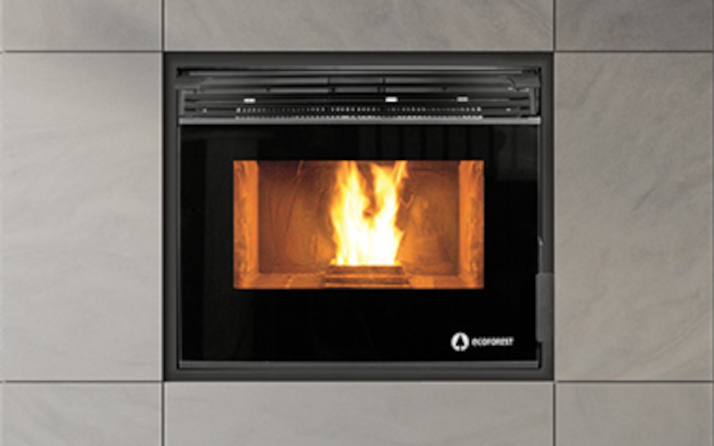 Insert pellet stoves
 Wood stoves
  Wood boilers
 Insert wood stoves
 Charcoal oven





One of the most common questions when winter arrives is whether you can sleep with a pellet stove on. The short, direct answer is: Yes, it is completely safe to sleep with a pellet stove running, provided it is a modern appliance, has been installed by professionals in compliance with regulations, and is properly maintained.
Unlike old open wood-burning stoves or gas heaters, today’s pellet stoves have advanced safety technologies that monitor combustion every second. In this article, we debunk myths about the dangers of pellet stoves and explain why they are among the safest heating systems on the market.
The “oxygen theft” myth: Does the room run out of air?
One of the most widespread fears is that the stove will “use up the oxygen” in the room while we sleep. This concern comes from the way older stoves or gas heaters without an outdoor vent work.
The reality with an Ecoforest pellet stove is very different, thanks to its sealed combustion chamber.
- How does it work? Most modern stoves draw the air needed for combustion directly from outside the home through a dedicated pipe. This means they do not use the air in the room where you sleep.
- Safety: Because the air circuit is completely sealed off from the room, there is no risk of oxygen levels dropping, ensuring a healthy environment throughout the night.
Carbon monoxide and pellet stoves: Is there a real risk?
Carbon monoxide from a pellet stove is an understandable concern, but current technology has reduced this risk to practically zero compared with other combustion systems.
Unlike an open fireplace, pellet stoves use forced draft. This means they have an extractor fan that continuously pushes flue gases outside.
Ecoforest’s active safety systems
To ensure pellet stoves are safe, Ecoforest appliances include multiple sensors that act as nighttime “watchdogs”:
- Pressure transducer (vacuum gauge): If it detects that the flue is blocked, there is a strong headwind, or the door has not been closed properly, it cuts off the pellet supply and shuts down the stove immediately.
- Temperature sensors: If the stove detects an abnormal temperature inside the appliance or in the fuel hopper, it activates the safety protocol and shuts down.
- Electronic control: The control unit manages all these parameters in real time. If anything falls outside safe limits, the stove will not operate.
Why are pellet stoves safer than other heating systems?
When we examine the supposed dangers of pellet stoves, they are often confused with the risks associated with other fuels. Here are the key differences:
| Risk | Gas Stove / Open Wood-Burning Stove | Modern Pellet Stove |
| Fuel leak | Risk of an invisible gas leak. | Pellets are solid: they cannot leak or explode. |
| Sparks | Sparks can land on the floor. | The flame is enclosed behind ceramic glass. |
| Smoke | Smoke may flow back into the room. | Forced draft and pressure sensors prevent smoke from flowing back. |
| Shutoff | Manual or when the fuel runs out. | Automatic and programmable (thermostat). |
Recommendations for sleeping with the stove on
Although the technology protects us, users must follow certain guidelines to ensure the appliance works as designed. If you decide to leave the heating on overnight, follow these tips:
1. Professional installation (RITE regulations)
Safety starts with installation. It is vital that the flue has been installed by a qualified technician, observing the clearances and using the materials specified by the Regulation on Thermal Installations in Buildings (RITE). A clean, properly installed flue is the best guarantee of safety.
2. Maintenance and cleaning
The only real risk arises from a lack of maintenance. Make sure to:
- Clean the burner (ash pan) daily or as directed by the manufacturer to prevent poor combustion.
- Have the mandatory annual inspection carried out to clean the internal ducts and flue.
3. Use thermostat or modulation mode
There is no need to run the stove at maximum power all night. Ecoforest stoves let you set a target temperature (for example, 19°C or 20°C). When the room reaches that temperature, the stove modulates, reducing its output and fuel consumption to a minimum, or shuts off (Stand-by mode) if you configure it to do so, turning back on if the temperature drops. This provides comfort, safety, and savings.
Conclusion: Technology and common sense
So, are pellet stoves safe to sleep with? Absolutely. They are appliances designed to operate autonomously and safely.
Myths about oxygen depletion or smoke belong to technologies of the past. With an Ecoforest stove equipped with an external air intake and state-of-the-art sensors, you can rest easy knowing that technology is keeping your home safe while you enjoy sustainable warmth.
