
 Ground-source heat pump
 Air-source heat pump
 Accessories
 What is a heat pump

 Air stoves
 Pellet boilers
 Ducted air stoves
 Hydro stoves
 Accessories
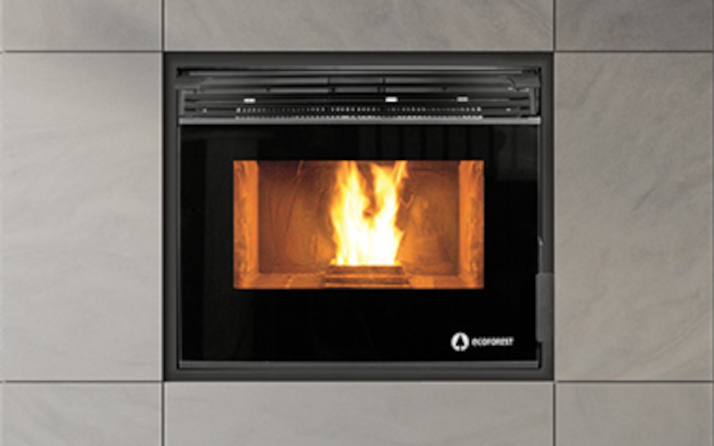 Insert pellet stoves
 Wood stoves
  Wood boilers
 Insert wood stoves
 Charcoal oven




Heating and cooling a detached home in Spain presents one of the greatest energy challenges for homeowners. Large floor areas, high ceilings, and the need to maintain comfort year-round can drive up energy consumption. However, there is a solution that combines sustainability, efficiency, and long-term savings: installing geothermal heat pumps alongside photovoltaic solar panels.
In this article, we explore why this combination is the best investment for your home, how Ecoforest geothermal heat pumps work, the benefits of solar energy, and how the two systems complement each other to create a self-sufficient, environmentally friendly home.
What is geothermal energy, and how does it work in a detached home?
The principle behind geothermal energy
Geothermal energy uses the ground’s constant temperature (between 10-15°C below a certain depth) to heat and cool homes efficiently. Unlike conventional systems that generate heat or cooling, geothermal heat pumps simply transfer thermal energy:
- In winter: They extract heat from the ground and transfer it into the home for heating and domestic hot water (DHW).
- In summer: They extract heat from inside the home and dissipate it into the ground, providing cooling.
This process uses geothermal boreholes (vertical or horizontal ground loops) through which a heat transfer fluid (a water-glycol mixture) circulates, exchanging energy with the ground.
Water-to-water heat pumps: maximum efficiency
Ecoforest geothermal heat pumps are water-to-water systems, meaning they collect energy from the ground using a water-glycol mixture and transfer it to the water circuit of the heating and cooling system. This is the most efficient system on the market, achieving coefficients of performance (COP) of 4 to 5. In other words:
For every 1 kW of electricity consumed, between 4 and 5 kW of thermal energy are produced.
This represents energy savings of 75-80% compared with conventional electric or oil-fired heating systems.
Ecoforest geothermal heat pump range: solutions for every need
Ecoforest offers the most comprehensive geothermal range on the Spanish market, with options for every type of installation: new builds, renovations, and industrial applications.
ecoGEO+ PRO series with natural R290 refrigerant
The most advanced and sustainable range uses propane (R290) as a natural refrigerant, with an almost negligible global warming potential (GWP):
| Model | Capacity | Application | Key features |
|---|---|---|---|
| ecoGEO+ LITE 1-6 PRO | 1-6 kW | Small detached homes (80-120 m²) | Compact, Inverter, R290 |
| ecoGEO+ 1-6 PRO | 1-6 kW | Single-family homes | Inverter technology, variable-speed scroll compressor |
| ecoGEO+ 2-10 PRO | 2-10 kW | Medium-sized detached homes (120-200 m²) | High efficiency, eco-friendly R290 |
| ecoGEO+ 4-16 PRO | 4-16 kW | Large detached homes (200-350 m²) | Maximum capacity, HTR system |
Benefits of R290 refrigerant:
- Virtually no environmental impact (GWP = 3, compared with 2088 for R410A)
- Greater energy efficiency
- Early compliance with European regulations (F-Gas)
ecoGEO+ series with R410A: an established residential range
For standard installations, the R410A refrigerant series offers proven reliability:
| Model | Capacity | Recommended floor area |
|---|---|---|
| ecoGEO+ 1-9 | 1-9 kW | Up to 180 m² |
| ecoGEO+ 3-12 | 3-12 kW | 180-250 m² |
| ecoGEO+ 5-22 | 5-22 kW | 250-400 m² |
ecoGEO+ HP series: high capacity for large installations
For luxury detached homes, residential complexes, or commercial applications:
- Modular capacity: Cascaded installation up to 600 kW
- Inverter technology with scroll compressor
- HTR heat recovery system for simultaneous heating and cooling
Benefits of geothermal energy for detached homes in Spain
1. Long-term financial savings
Although the initial investment is higher than for conventional systems, the return on investment (ROI) is achieved in 5-8 years thanks to:
- A 75-80% reduction in heating and cooling costs
- No need for oil, gas, or propane deliveries
- Minimal maintenance (inspection every 2 years)
Practical example:
A 200 m² detached home in Madrid with oil-fired heating spends approximately 2.500-3.000 €/year. With Ecoforest geothermal energy, the cost falls to 600-800 €/year.
2. Superior comfort year-round
- Heating in winter with an even temperature throughout the home
- Cooling in summer without additional equipment
- Domestic hot water (DHW) all year round
- Simultaneous heating and cooling (HTR system)
3. Sustainability and zero emissions
- No direct CO₂ emissions at the home
- 100% renewable energy from the ground
- Compatible with an A energy rating or higher
- Contributes to the decarbonization of the residential sector
4. Energy independence
- You do not depend on external fuel supplies (gas, heating oil)
- Protection from fossil fuel price fluctuations
- Can be combined with solar energy for complete self-sufficiency
5. Reliability and durability
- A service life of 25-30 years (twice that of conventional boilers)
- Equipment installed indoors, protected from the elements
- Proven technology backed by more than 15 years of Ecoforest experience
Photovoltaic solar panels: the perfect complement to geothermal energy
Why combine geothermal energy with solar power?
Although geothermal heat pumps are extremely efficient, they still need electricity to operate (for compressors, circulation pumps, and electronic controls). By installing photovoltaic solar panels, you can:
- Generate your own electricity to power the heat pump
- Reduce your electricity bill to zero or even sell surplus power
- Maximize sustainability with a 100% renewable system
- Significantly increase your home’s value
Sizing the solar installation
For a 200 m² detached home with a geothermal heat pump, the following is recommended:
| Item | Specification |
|---|---|
| Photovoltaic capacity | 6-8 kWp |
| Number of panels | 15-20 units (450W each) |
| Annual generation | 9.000-12.000 kWh/year |
| Heat pump consumption | 3.000-4.000 kWh/year |
| Available surplus | For appliances, lighting, and an electric vehicle |
Battery storage: is it necessary?
To maximize self-consumption, especially in winter when heating demand is higher at night, you can install a battery system:
- Recommended capacity: 10-15 kWh
- Benefit: Store solar energy generated during the day for use at night
- Drawback: Higher initial investment
Alternative without batteries:
Thanks to surplus energy compensation in Spain, you can export surplus solar power to the grid during the day and use grid electricity at night, with a favorable financial balance.
Geothermal + solar synergy: the perfect system
How the integrated system works
- During the day: Solar panels generate electricity that directly powers the geothermal heat pump and other household needs.
- Surplus solar power: It is stored in batteries (if installed) or exported to the grid in exchange for financial compensation.
- At night: The heat pump uses electricity from the batteries or the grid (at a lower rate if you have a time-of-use tariff).
- Annual balance: Solar generation covers 80-100% of the home’s total electricity consumption.
Benefits of combining the two
| Aspect | Benefit |
|---|---|
| Financial | Energy bill close to €0 |
| Environmental | 100% renewable system, zero emissions |
| Independence | Almost complete energy self-sufficiency |
| Property value | 15-25% increase in the home’s value |
| Comfort | Heating, cooling, and DHW without worrying about usage |
Installation process for a detached home
Phase 1: Initial assessment and system sizing
A certified installer carries out:
- Geotechnical survey: Ground analysis to determine the type of ground loop (vertical or horizontal)
- Heating and cooling demand calculation: Based on floor area, insulation, orientation, and climate zone
- Solar system sizing: Analysis of electricity consumption and available roof area
- Detailed quotation: Investment, applicable subsidies, and ROI
Phase 2: Installing the geothermal ground loop
Vertical ground loop (most common for detached homes):
- Boreholes 80-150 meters deep
- Number of boreholes according to the capacity needed (typically 1-4 boreholes)
- Installation of geothermal probes with polyethylene piping
- Backfilling with thermally conductive material
Horizontal ground loop (if sufficient land is available):
- Excavation of trenches 1,5-2 meters deep
- Land area required: 1,5-2 times the floor area to be heated and cooled
- Installation of horizontal collectors
Phase 3: Installing the heat pump
- Placement in a plant room, garage, or utility room
- Connection to heating circuits (underfloor heating, radiators, fan coils)
- Installation of a DHW tank (200-300 liters)
- Electrical connection and commissioning
- Configuration of the control system
Phase 4: Installing the photovoltaic system
- Mounting the structure on the roof (south-facing, 30-35° tilt)
- Installing the solar panels
- Wiring and connection to the inverter
- Installing batteries (optional)
- Connection to the electrical panel and regulatory registration
Installation timeframes
- Geothermal ground loop: 3-5 days
- Heat pump and hydraulic system: 5-7 days
- Solar installation: 2-3 days
- Commissioning and adjustments: 1-2 days
Total: 3-4 weeks for the complete installation
Investment and subsidies in Spain
Estimated installation cost
For a 200 m² detached home in Spain:
| Item | Approximate cost |
|---|---|
| Geothermal heat pump (equipment + installation) | 20.000-30.000 € |
| Geothermal ground loop (boreholes) | 8.000-12.000 € |
| Photovoltaic solar installation (6-8 kWp) | 8.000-12.000 € |
| Batteries (optional, 10 kWh) | 6.000-8.000 € |
| TOTAL without batteries | 36.000-54.000 € |
| TOTAL with batteries | 42.000-62.000 € |
Available subsidies and financial support (2025)
1. Next Generation EU incentive program
- Geothermal subsidy: Up to 4.500 €/kW installed (maximum 15.000 €)
- Solar subsidy: 600 €/kWp (up to 3.000 €)
- Batteries: 490 €/kWh (up to 2.500 €)
Example: For an installation with 10 kW of geothermal capacity + 7 kWp of solar capacity + 10 kWh of battery storage:
- Geothermal subsidy: 15.000 €
- Solar subsidy: 4.200 €
- Battery subsidy: 2.500 €
- Total financial support: 21.700 €
2. Personal income tax deductions (IRPF)
- A deduction of 20-40% of the investment in energy efficiency improvements
- Applicable if the home’s energy rating improves
3. Property tax (IBI) discounts
Many local councils offer IBI discounts of 25-50% for 3-5 years for homes with renewable energy installations.
Return on investment (ROI)
Without subsidies:
- Net investment: 45.000 €
- Annual savings: 2.500 € (heating and cooling) + 1.500 € (electricity) = 4.000 €
- ROI: 11-12 years
With subsidies:
- Net investment: 45.000 € – 21.700 € = 23.300 €
- Annual savings: 4.000 €
- ROI: 5-6 years
Once the investment has paid for itself, you can enjoy 25-30 years of savings.
Success stories: geothermal + solar in detached homes in Spain
Case 1: Detached home in the Sierra de Madrid (250 m²)
Installation:
- ecoGEO+ 3-12 heat pump
- 4 geothermal boreholes, each 100 meters deep
- 20 solar panels (9 kWp)
- Underfloor heating + fan coils
Results:
- Investment: 52.000 € (32.000 € after subsidies)
- Annual savings: 4.500 €
- ROI: 7 years
- Energy rating: A
- Comfort: Constant temperature of 21°C year-round
Case 2: Detached home on the Costa del Sol (180 m²)
Installation:
- ecoGEO+ 2-10 PRO heat pump (R290)
- 3 geothermal boreholes, each 80 meters deep
- 16 solar panels (7,2 kWp)
- Underfloor heating and cooling
Results:
- Investment: 42.000 € (25.000 € after subsidies)
- Annual savings: 3.800 €
- ROI: 6,5 years
- Summer cooling without air conditioning
- Annual electricity bill: 150 €
System maintenance and service life
Geothermal heat pump
- Maintenance: Inspection every 2 years by a certified technician
- Cost: 150-250 €/inspection
- Service life: 25-30 years
- Ecoforest warranty: 2-5 years (depending on the model)
Solar installation
- Maintenance: Clean panels 1-2 times/year
- Cost: 100-150 € (or clean them yourself with water)
- Service life: 25-30 years (panels), 10-15 years (inverter)
- Warranty: 25-year performance warranty (panels), 5-10 years (inverter)
Geothermal ground loop
- Maintenance: Virtually none
- Service life: 50-100 years
- No moving parts or wear
Frequently asked questions
Is geothermal energy cost-effective in Spain?
Yes, especially in areas with cold winters and hot summers (Madrid, Castile, inland Catalonia). Savings of 75-80% on heating and cooling allow the investment to pay for itself in 5-8 years with subsidies.
Do I need a lot of land for a geothermal system?
Not necessarily. Vertical boreholes require very little surface space (1-2 m² per borehole). Only a horizontal ground loop requires a large plot.
Does geothermal energy work in warm climates?
Yes—in fact, it works even better. In summer, geothermal cooling is more efficient than conventional air conditioning, with a COP of 5-6.
Can I install a geothermal system in an existing detached home?
Yes, it is entirely feasible. The boreholes are drilled in the garden without affecting the home’s structure. The heat pump is installed in the garage or plant room.
How many solar panels do I need?
It depends on consumption, but for a 200 m² detached home with a geothermal system, 15-20 panels (6-8 kWp) are usually enough to cover 80-100% of annual electricity consumption.
What happens if there is no sun in winter?
The heat pump continues to run on grid electricity. Thanks to its high efficiency (COP 4-5), the cost is minimal. Also, there is no demand for cooling in winter, reducing total consumption.
Conclusion: the smartest investment for your detached home
Combining geothermal energy with Ecoforest heat pumps and photovoltaic solar panels is the most advanced, efficient, and sustainable solution for heating and cooling detached homes in Spain. This system offers:
✅ Financial savings: 80-90% reduction in energy costs
✅ Complete comfort: Heating, cooling, and DHW all year round
✅ Sustainability: Zero emissions, 100% renewable energy
✅ Energy independence: Self-sufficiency that protects against price increases
✅ Higher property value: 15-25% increase in the home’s value
✅ Durability: 25-30 years of service life with minimal maintenance
With Next Generation EU subsidies available until 2025, there has never been a better time to switch to renewable energy. Ecoforest geothermal heat pumps, leaders in Inverter technology and eco-friendly R290 refrigerants, deliver maximum efficiency and reliability.
Ready to turn your detached home into a self-sufficient, sustainable property? Contact a certified Ecoforest installer and find out how much you could save with the perfect combination of geothermal and solar energy.
