
 Ground-source heat pump
 Air-source heat pump
 Accessories
 What is a heat pump

 Air stoves
 Pellet boilers
 Ducted air stoves
 Hydro stoves
 Accessories
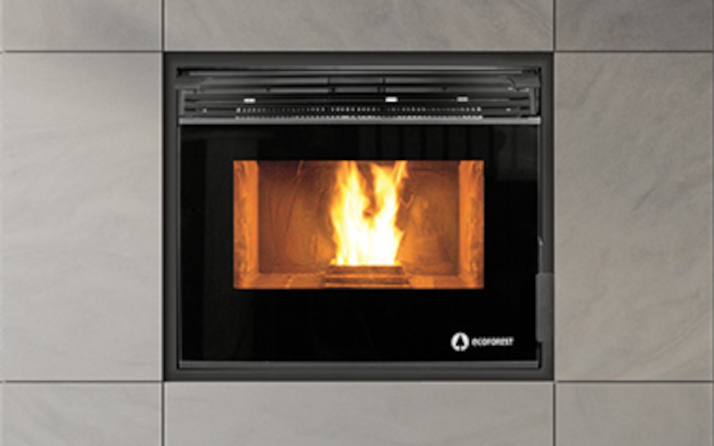 Insert pellet stoves
 Wood stoves
  Wood boilers
 Insert wood stoves
 Charcoal oven




Aerothermal energy has become one of the most promising options for efficient heating, and for good reason. But like any technology, it is not the perfect solution for every situation. If you are considering installing an air-source heat pump and want an answer without the sales pitch, this article is for you: here you will find the real advantages and disadvantages of aerothermal energy, including the nuances, so you can make an informed decision.
What exactly is aerothermal energy?

Aerothermal technology extracts energy from the outdoor air—even in winter—and uses it for heating, cooling and domestic hot water (DHW). It does this through a heat pump that delivers between 3 and 5 kWh of thermal energy for every kWh of electricity it consumes. This ratio is called the COP (coefficient of performance), and it is the key to its efficiency.
So far, the theory sounds great. Let’s look at the reality.
Real advantages of aerothermal energy
High energy efficiency. A properly sized aerothermal system delivers much more energy than it consumes. Compared with an oil or gas boiler, the savings in energy consumption can be substantial, especially if electricity prices are competitive or the system is combined with solar self-consumption.
Three functions in one system. Heating in winter, cooling in summer and DHW all year round. You do not need a separate boiler and air-conditioning system.
No combustion or local emissions. No fuel is burned in your home: no risk of gas leaks, no carbon monoxide and no oil tank. It is a cleaner, safer option.
Compatible with solar self-consumption. If you have photovoltaic panels, aerothermal technology is a natural partner: you use your own energy to heat and cool your home at virtually no cost during sunny hours.
Access to public incentives. In 2026, grants and tax deductions are still available for aerothermal installations under energy-efficiency renovation schemes, reducing the initial investment.
Real disadvantages of aerothermal energy (the ones that matter)
Let’s be honest: these are the legitimate concerns you should consider.
High initial investment. Purchase and installation cost more than a conventional boiler. The investment pays for itself over time through savings, but the upfront expense is real and needs to be planned for.
Performance drops in extreme cold. The COP falls as the outdoor temperature drops. In very cold climates, the system works harder and consumes more electricity to deliver the same amount of heat. That does not mean it stops working—modern systems perform well below freezing—but efficiency is not constant throughout the year.
It needs a well-insulated home. Aerothermal systems work best at moderate supply temperatures. In a poorly insulated home, the system loses efficiency and the expected savings diminish. It is not magic: performance depends on the home’s thermal envelope.
It may require suitable heat emitters. Low-temperature systems such as underfloor heating are the ideal match. With traditional high-temperature radiators, you may need to size them correctly or pair them with technology that raises the water temperature.
Space and noise from the outdoor unit. The outdoor unit takes up space and makes some noise while operating. Good placement and installation minimise both issues, but they are worth considering.
How Ecoforest addresses these disadvantages
Many of the concerns above depend on the specific technology you choose. This is where the manufacturer makes a difference:
Hot water up to 80 ºC with HTR / Superheater technology. The main drawback of aerothermal systems—the supply temperature—is addressed by our superheater, which efficiently produces high-temperature DHW and is compatible with existing radiators.
Natural R290 refrigerant in the ecoAIR+ range. Unlike synthetic refrigerants with a high environmental impact, R290 (propane) has minimal global warming potential. It directly addresses environmental and regulatory concerns.
Control and optimisation with the Ecoforest Home app and Easynet. Real-time monitoring and intelligent system adjustments help maximise performance in every season, precisely when the COP may vary.
So, is aerothermal energy right for me?
The honest answer: it depends on your home, your climate and your existing installation. If your home is reasonably well insulated, you value long-term efficiency and you want a clean, versatile solution, aerothermal energy is probably the best decision you can make today. If your home is poorly insulated or you live in an extreme climate, it is worth carefully assessing system sizing and technology before deciding.
The question is not whether aerothermal energy is good or bad—it is good—but whether it has been properly chosen and installed for your specific situation.
Want to know whether aerothermal energy is right for your home? Consult an Ecoforest installer and get an assessment tailored to your situation.
