
 Ground-source heat pump
 Air-source heat pump
 Accessories
 What is a heat pump

 Air stoves
 Pellet boilers
 Ducted air stoves
 Hydro stoves
 Accessories
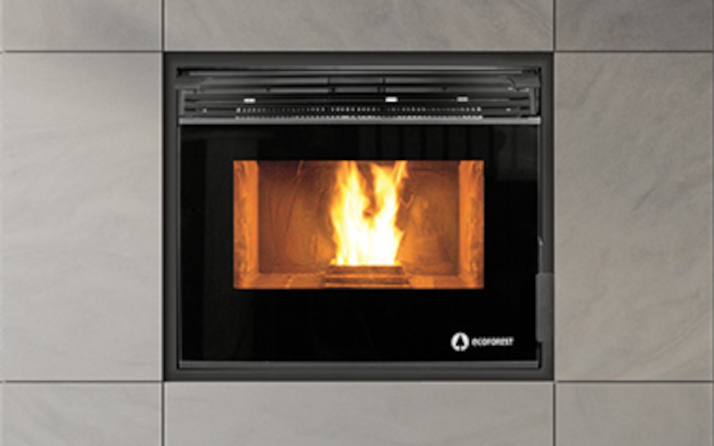 Insert pellet stoves
 Wood stoves
  Wood boilers
 Insert wood stoves
 Charcoal oven




Have you wondered how much you’ll pay for heating this winter? In 2026, efficiency is no longer an option—it’s a necessity. We put two giants of sustainable heating and cooling head to head: pellets vs. air-source heat pumps. We analyze real bills for a 150 m² detached home so you can find out, once and for all, which is better for your wallet.
Choosing between pellets and an air-source heat pump in 2026 is one of the most important decisions for owners of detached homes. With electricity prices stabilized after past crises and the pellet market well established, the question has changed: it’s no longer about which system is “better,” but which one pays for itself sooner in your home.
At Ecoforest, as pioneers in both technologies, we monitored the actual consumption of two identical homes in central Spain over this past winter. Here are the results.
The scenario: A 150 m² detached home
To make the comparison fair, we analyzed:
- Insulation: Medium-high (built to recent standards).
- Use: Heating (October–March) and domestic hot water (DHW).
- Heat distribution system: Underfloor heating (ideal for both systems).
Option A: Pellet Stove/Boiler (Biomass)
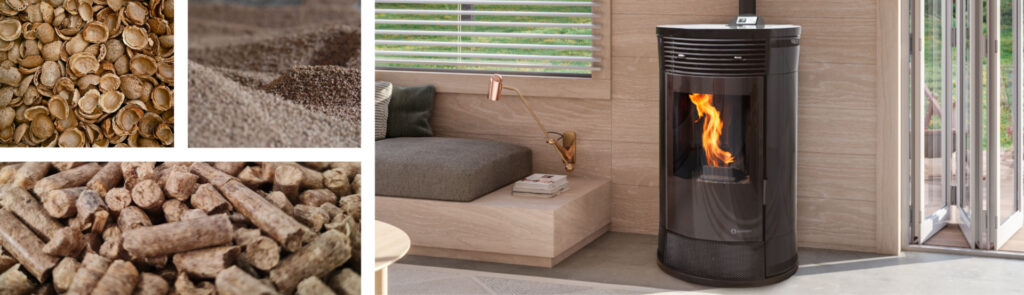
Biomass remains the champion of “cozy warmth.” In 2026, the latest Ecoforest boilers have reduced fuel consumption by 15% compared with models from five years ago.
- Average seasonal consumption: 2,800 kg of pellets (ENplus A1 certified).
- Pellet price (March 2026): ~€0.42/kg (when buying by the pallet).
- Total winter cost: €1,176.
- Average monthly bill (6 months): €196/month.
The expert’s verdict: Pellets are unbeatable for heating power. They’re ideal if you live in a very cold area where temperatures frequently drop below -10°C, since their performance does not depend on the outdoor temperature.
Option B: Air-Source Heat Pump
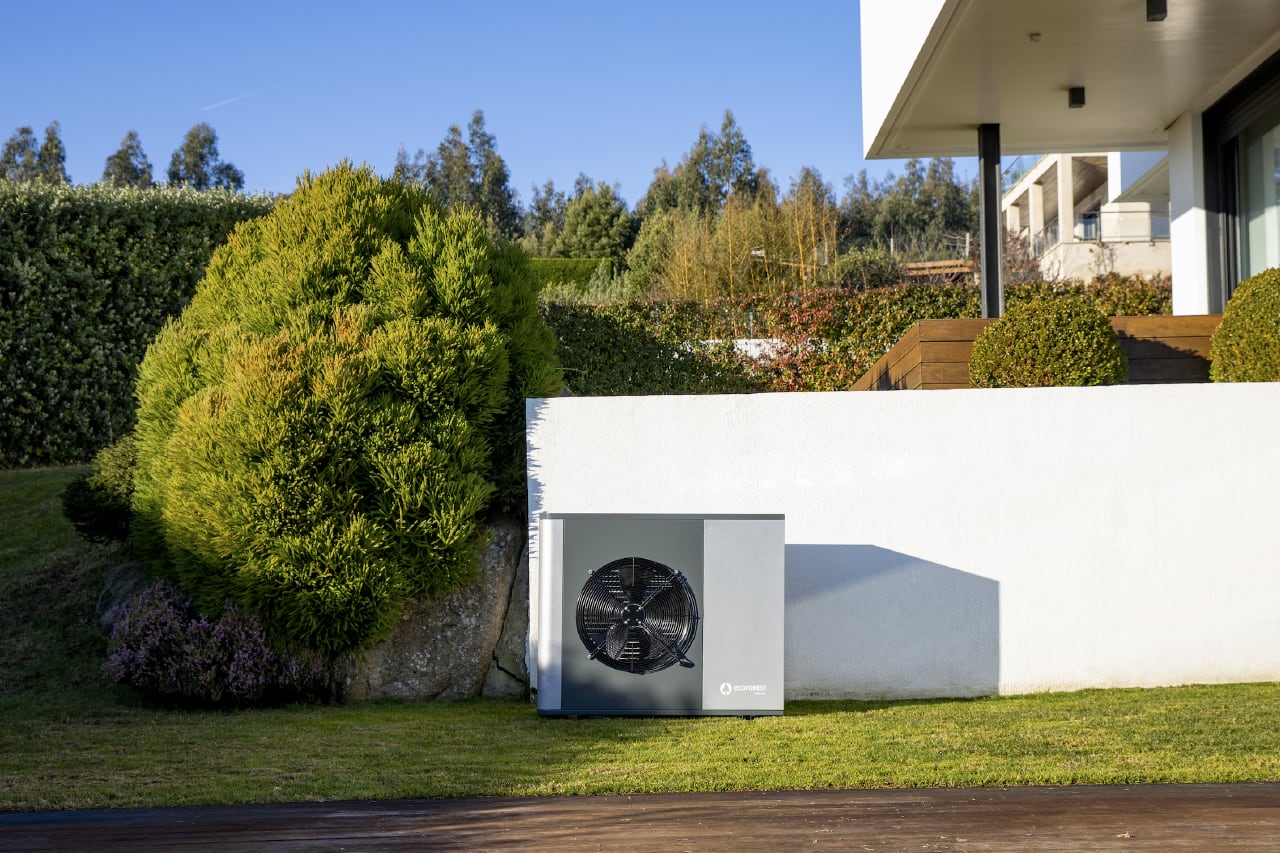
Air-source heat pumps have established themselves as the heating technology of the future. Thanks to the use of natural R290 refrigerant, today’s heat pumps achieve higher flow temperatures while using very little electricity.
- Seasonal electricity consumption (SCOP 4.5): 3,100 kWh.
- Electricity price (2026 off-peak/mid-peak rate): ~€0.18/kWh.
- Total winter cost: €558.
- Average monthly bill (6 months): €93/month.
The expert’s verdict: If you have solar photovoltaic panels, an air-source heat pump wins by a landslide. By using your surplus solar power, the bill could fall to just €30–40 per month.
Comparison Table: Real Bills in 2026
| Category | Pellet Boiler | Ecoair+ Air-Source Heat Pump |
| Estimated Monthly Cost | €196 | €93 |
| Initial Investment | Moderate | High |
| Maintenance | Ash cleaning + annual servicing | Minimal (annual check) |
| Summer Function | No | Yes (Cooling) |
| Electricity Independence | Partial | High (with solar PV) |
Which Should You Choose for Your Home?
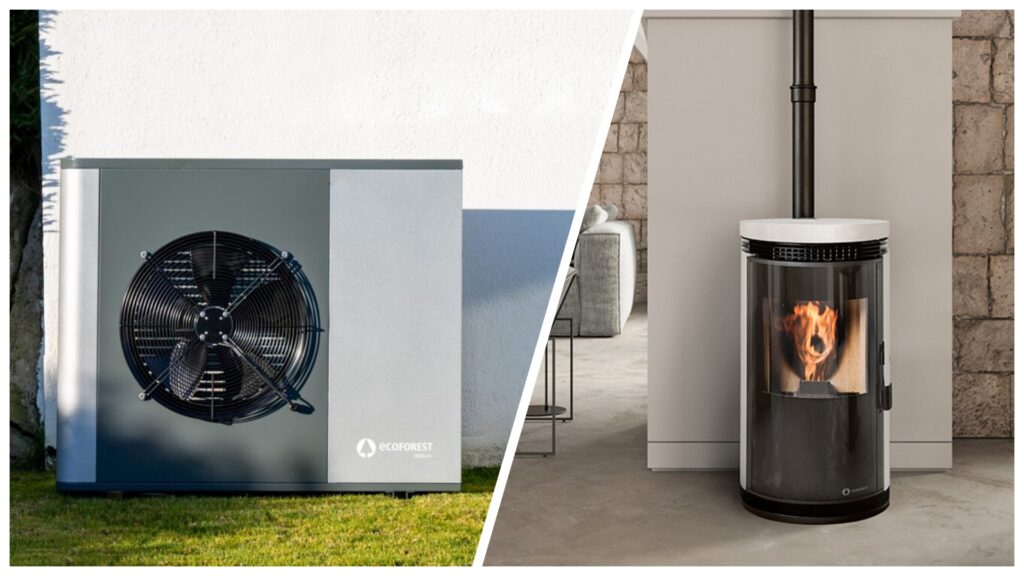
Choose Pellets if:
- You live in an extreme climate: You want the traditional, powerful warmth that only a real fire can provide.
- You have a limited upfront budget: Pellet stoves and hydro stoves usually cost less to install than a complete air-source heat pump system.
- You have access to local fuel: You live in a rural area with easy access to quality biomass.
Choose an Air-Source Heat Pump if:
- You want an “all-in-one” solution: You want heating in winter, cooling in summer and hot water all year round from a single system.
- You have or plan to install solar power for self-consumption: The combination of an air-source heat pump + solar panels is the winning formula for a “zero bill.”
- You want complete convenience: You don’t want to worry about loading bags, cleaning ash or storing fuel.
Conclusion: The Winner in 2026
In terms of gross operating savings, air-source heat pumps are the winner in 2026, especially because they can be integrated with solar power. However, pellets remain the most reliable and comforting solution for those seeking a greener heating system with a more modest initial investment.
Still have questions? At Ecoforest, we manufacture both technologies in Spain and know better than anyone what your home needs.
