
 Ground-source heat pump
 Air-source heat pump
 Accessories
 What is a heat pump

 Air stoves
 Pellet boilers
 Ducted air stoves
 Hydro stoves
 Accessories
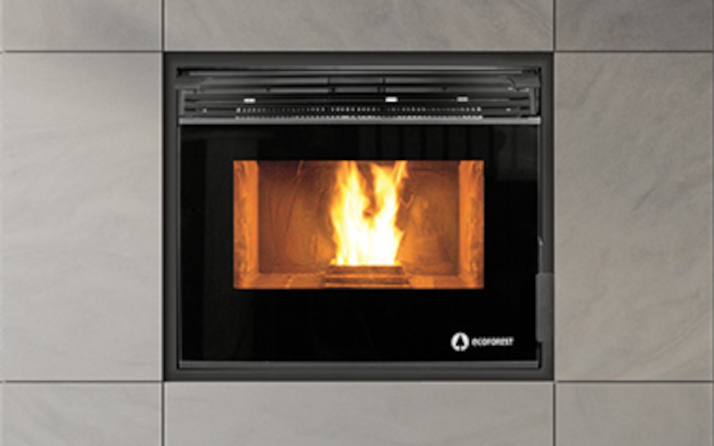 Insert pellet stoves
 Wood stoves
  Wood boilers
 Insert wood stoves
 Charcoal oven




Sustainable air conditioning will undergo a technological revolution in 2025, driven by the integration of artificial intelligence (AI), advanced home automation systems and the adoption of environmentally friendly refrigerants such as R290. These innovations not only optimise energy consumption and comfort, but also pave the way for increasingly efficient and environmentally friendly homes and buildings. Discover how these trends are transforming the sector and what advantages they offer end users.
AI and home automation: The future of comfort and efficiency
Artificial intelligence and home automation have become the undisputed stars of air conditioning in 2025. Smart HVAC (heating, ventilation and air conditioning) systems use sensors, machine learning algorithms and IoT connectivity to learn users’ habits, anticipate their needs and automatically adjust temperature, humidity and air quality.

Key advantages:
- Energy savings: AI analyses real-time data and historical patterns to reduce consumption, avoiding unnecessary cycles and adapting operation to occupancy and environmental conditions.
- Personalised comfort: Home automation systems allow you to control climate control from any mobile device and create scenes adapted to each moment (night mode, work mode, holiday mode).
- Predictive maintenance: Thanks to continuous monitoring, AI detects anomalies before they become faults, scheduling servicing only when necessary and extending the useful life of equipment.
- Renewable integration: Home automation and smart climate control are integrated with solar panels, batteries and other renewable sources to maximise self-consumption and reduce the carbon footprint.
New refrigerants: R290 and European regulations
Sustainability in air conditioning involves replacing traditional refrigerants with environmentally friendly alternatives. By 2025, R290 (natural propane) will be established as the refrigerant of choice thanks to its very low global warming potential (GWP
Benefits of R290:
- Regulatory compliance: European regulations (Regulation 2024/573 and EU Directive 2024/1275) require the use of low-GWP refrigerants, accelerating the transition to R290 and other natural gases.
- Efficiency and savings: Equipment with R290 is up to 10% more efficient, which translates into lower consumption and lower bills.
- Lower environmental impact: R290 does not damage the ozone layer and requires simpler recycling processes at the end of its life.
Examples of smart and connected installations
- Smart homes: Homes equipped with geothermal or aerothermal heat pumps, controlled by virtual assistants and IoT sensors, which adjust the air conditioning according to the presence of people and outdoor conditions, achieving savings of up to 40% in energy consumption.
- Office buildings: Centralised systems that manage independent zones, optimise ventilation and air quality, and allow remote control by energy managers, improving comfort and productivity.
- Renewable integration: Installations that combine air conditioning with solar energy and domestic batteries, managed by AI to prioritise the use of clean energy and reduce dependence on the electricity grid.
Predictions for the near future
- Accelerated decarbonisation: The European Energy Efficiency Directive for Buildings sets a target of nearly zero emissions by 2050, driving the retrofitting of traditional systems with smart and sustainable solutions.
- Total customisation: Users will be able to define comfort preferences, schedules and operating modes, while AI automatically adjusts the system to maximise well-being and savings.
- Technological hybridisation: The trend is towards the integration of air conditioning, home automation, renewable energies and storage into a single smart platform, facilitating management and predictive maintenance.
- Training and professionalisation: Technological advances require technicians specialised in AI, eco-friendly refrigerants and integrated systems, opening up new job opportunities and improving service quality.
Conclusion
Sustainable air conditioning in 2025 will be marked by the convergence of AI, home automation and eco-friendly refrigerants. These trends not only improve efficiency and comfort, but also prepare homes and buildings for a cleaner, more connected and personalised future. Committing to these solutions means investing in savings, sustainability and well-being.
