
 Ground-source heat pump
 Air-source heat pump
 Accessories
 What is a heat pump

 Air stoves
 Pellet boilers
 Ducted air stoves
 Hydro stoves
 Accessories
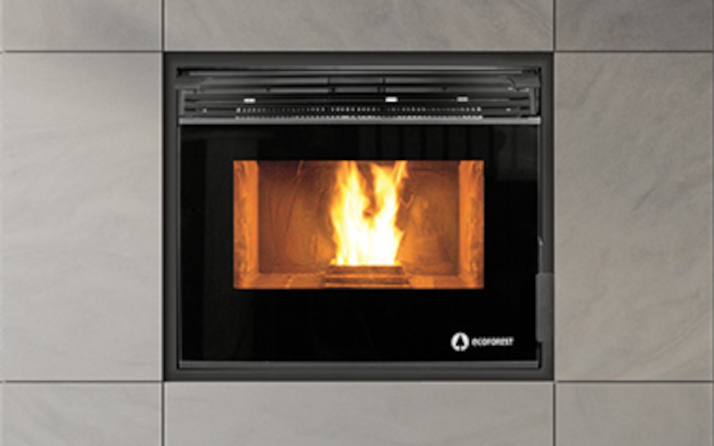 Insert pellet stoves
 Wood stoves
  Wood boilers
 Insert wood stoves
 Charcoal oven





The world of sustainable heating is growing stronger every day, expanding the options for anyone who wants to make their home more eco-efficient.
Among these options, pellet heating stands out for its balance between efficiency, ease of use and sustainability.
But what makes it different from other biomass systems?
What is pellet heating and how does it work?
Pellet heating uses small cylinders of compressed wood, known as pellets, as fuel to generate heat.
Pellets are made from recycled wood waste, such as sawdust or wood chips, which are compressed without the use of chemicals, making them an environmentally friendly and renewable option.
This system works using boilers or stoves designed specifically to burn pellets.
The boilers automatically feed the fire with the right amount of pellets, optimising consumption and ensuring constant heat.
They are also easy to use, thanks to their automatic ignition and programmable controls.
What are biomass systems?
Biomass systems are heating solutions that use organic materials as an energy source.
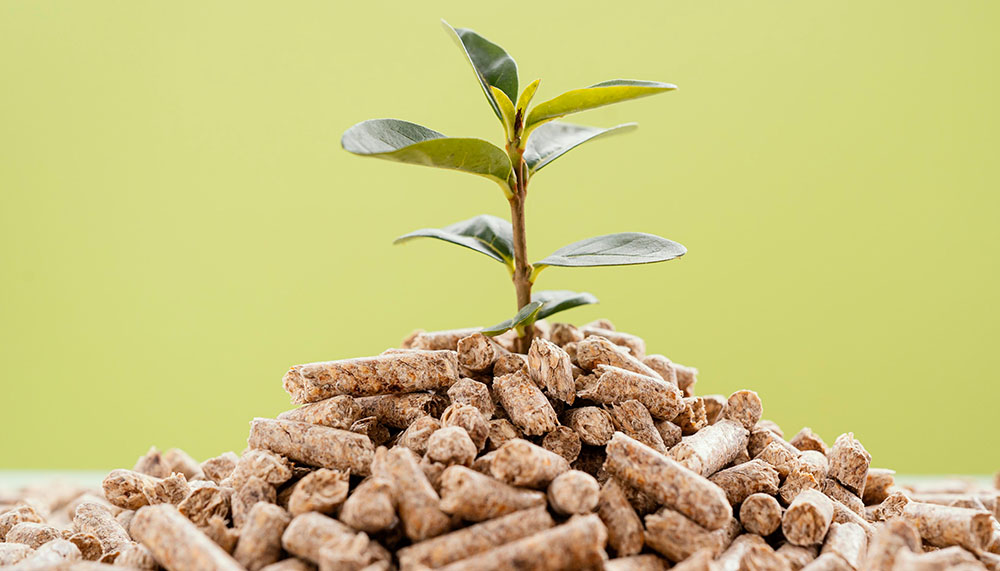
In addition to pellets, they include other biofuels such as wood chips, olive pits, and nut shells.
These fuels are renewable and emit less CO₂ than fossil fuels, as the CO₂ released during combustion is equivalent to that absorbed by plants during their growth.
However, biomass systems can vary greatly in efficiency and convenience depending on the type of fuel they use.
Some require more storage space or more manual labour for feeding.
Pellet heating vs. other biomass systems
The main difference between pellet heating and other biomass systems lies in ease of use and efficiency.
Pellets have a very low moisture content, which allows them to burn evenly and generate more heat with less waste.
In contrast, other fuels such as wood chips have higher moisture content, which can reduce combustion efficiency.
Also, pellet heating systems tend to be more automated than those using wood chips or logs, which means less manual effort for the user.
While a wood-burning stove needs to be fed manually, a pellet boiler can run for hours or days without intervention.
Why choose pellet heating?
Choosing pellet heating has several advantages:
- Sustainability: pellets are made from recycled materials, which helps reduce forest waste.
- Energy efficiency: they provide clean and efficient combustion, maximising the heat generated.
- Ease of use: automated systems make heating simple and convenient.
- Competitive cost: although the initial system may be more expensive, pellets are generally cheaper and more stable in price than fossil fuels.
- Reduced emissions: pellets generate fewer polluting emissions than other fuels.
Pellets vs. other biofuels
| Feature | Pellets | Wood chips | Firewood |
| Combustion efficiency | High | Medium | Low |
| Moisture content | Very low (less than 10%) | High | Varies |
| Ease of storage | Easy (compact and lightweight) | Difficult (bulky) | Moderate |
| System automation | High | Low | None |
| Initial system cost | Medium-high | Low | Low |
| Environmental impact | Very low | Low | Moderate |
Tips for choosing the ideal system
- Assess your needs: if you are looking for convenience and an efficient system, pellets may be your best option.
- Consider the space available: pellets require less storage space than other fuels such as wood chips.
- Analyse your budget: although the initial cost of a pellet system may be higher, the long-term savings offset the investment.
- Consider maintenance: pellet boilers require less maintenance than wood-burning stoves, but it is always important to plan regular servicing.
Is pellet heating the best option for you?
Pellet heating is ideal for those looking for a balance between sustainability, efficiency and comfort.
If you live in an area with easy access to pellets, value an automated system and want to reduce your carbon footprint, this option could be perfect.
However, if you prefer a more traditional system, or if you have access to other low-cost biofuels, you may want to explore other biomass alternatives.
In any case, choosing a sustainable system will always be a positive step towards a greener future.
